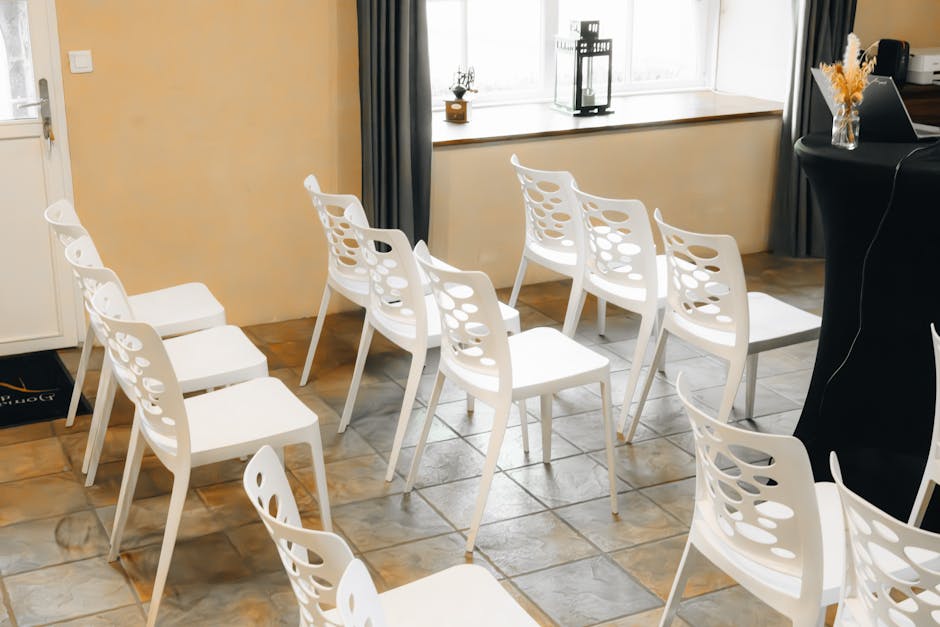
Belonging
Regular events and familiar routines reduce isolation and make it easier for residents of different ages to know one another.
At Andelsboligforeningen Risagerparken, Afd 2, the mission is practical: keep the homes well-managed, keep communication open, and make the common areas feel like a place people genuinely want to belong to.
That means balancing stable housing administration with the small details that define a good neighborhood: safe paths, cared-for green areas, clear updates from the board, and a culture where residents can both ask for support and contribute to shared solutions.
Rather than treating community as a slogan, the association builds it through regular maintenance decisions, resident meetings, seasonal activities, and direct follow-through on practical issues raised by the people who live here.
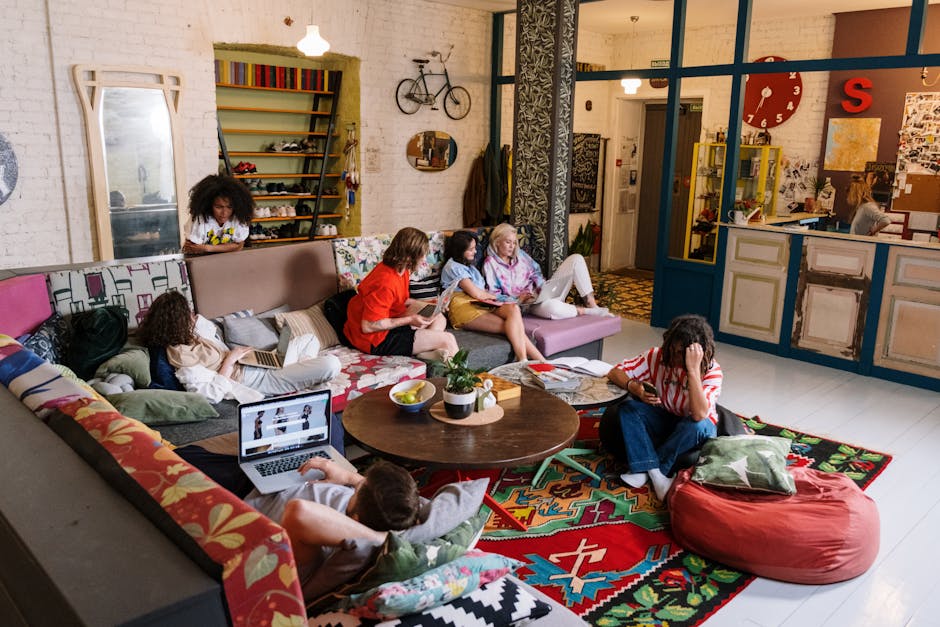
Shared outdoor areas are maintained as social spaces as well as functional ones, helping neighbors meet naturally in the course of normal routines.
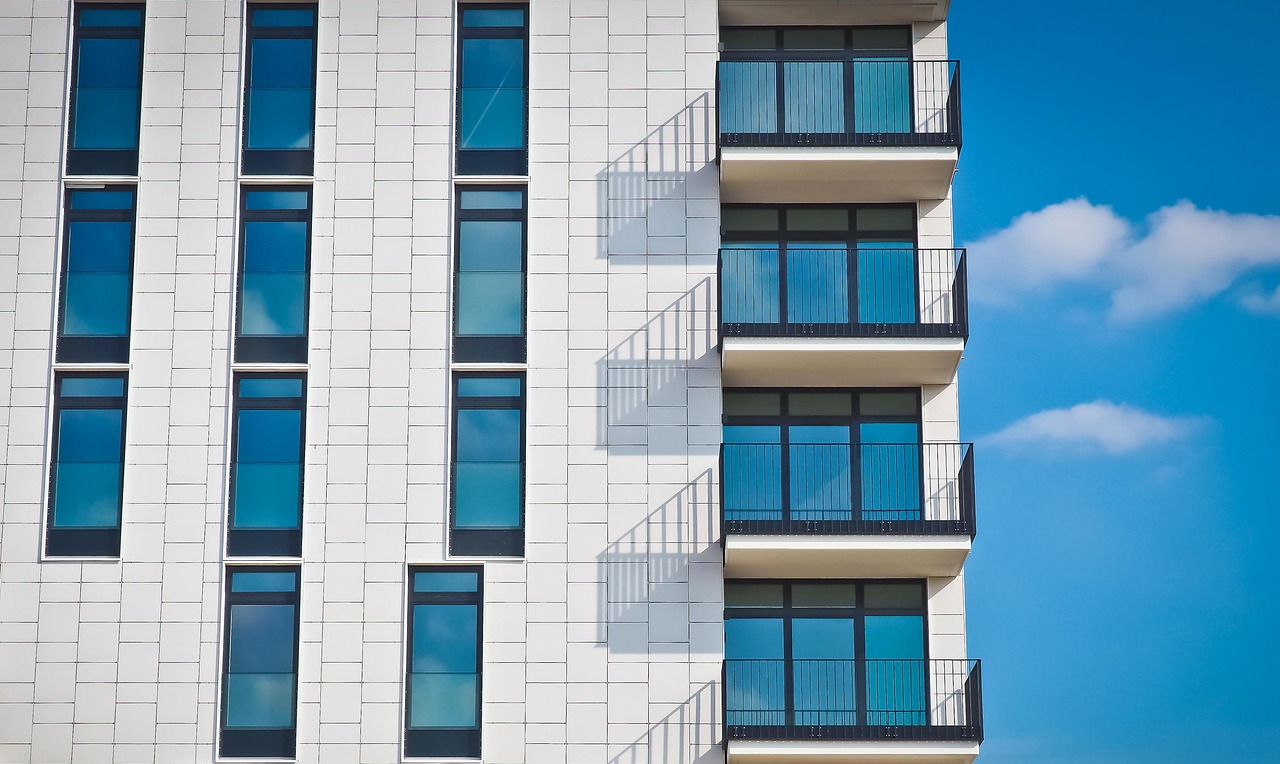
Impact is strongest when upkeep, planning, and everyday neighborliness are shared. The association supports that by making it easy to participate in ways that are practical and realistic.
Regular events and familiar routines reduce isolation and make it easier for residents of different ages to know one another.
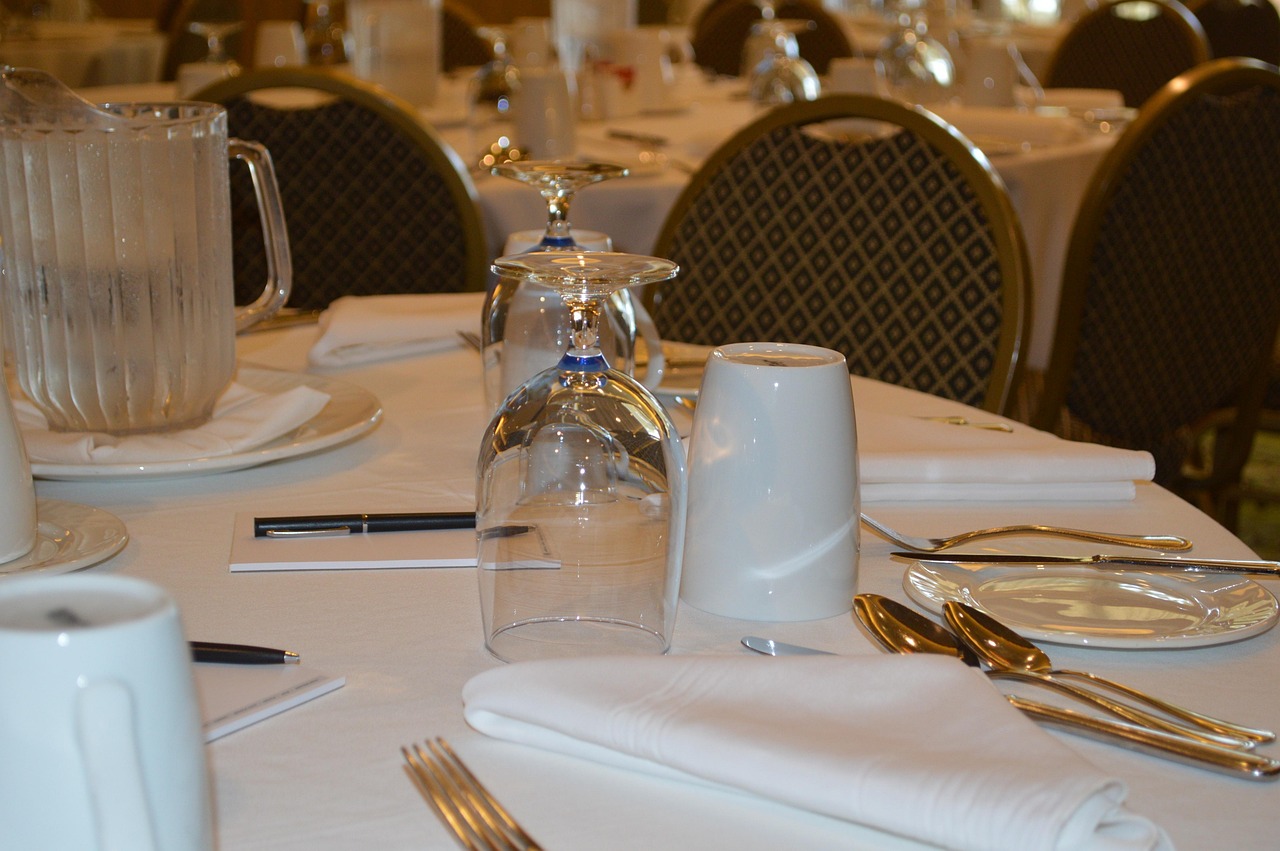
When information evenings and practical meetings are consistent, more residents can contribute ideas early and help shape workable outcomes.
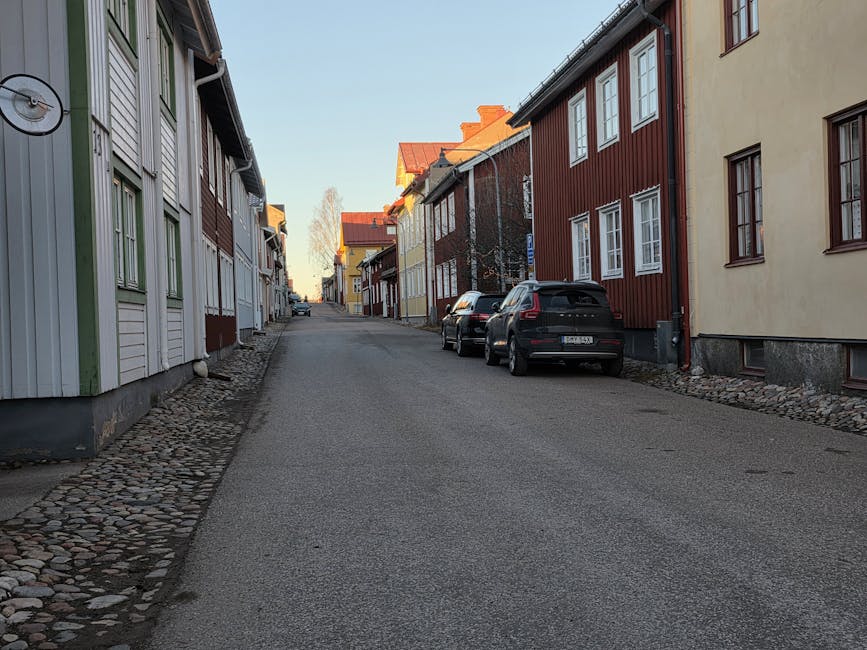
Well-kept surroundings communicate stability. Clean routes, thoughtful planting, and usable shared areas shape how safe, calm, and welcoming the department feels every day.
The association’s work is designed to be cumulative. Each resident notice, maintenance priority, garden day, and board response contributes to a more resilient shared environment over time.
That approach helps protect both the physical condition of the department and the social trust that makes cooperative housing work well in practice.
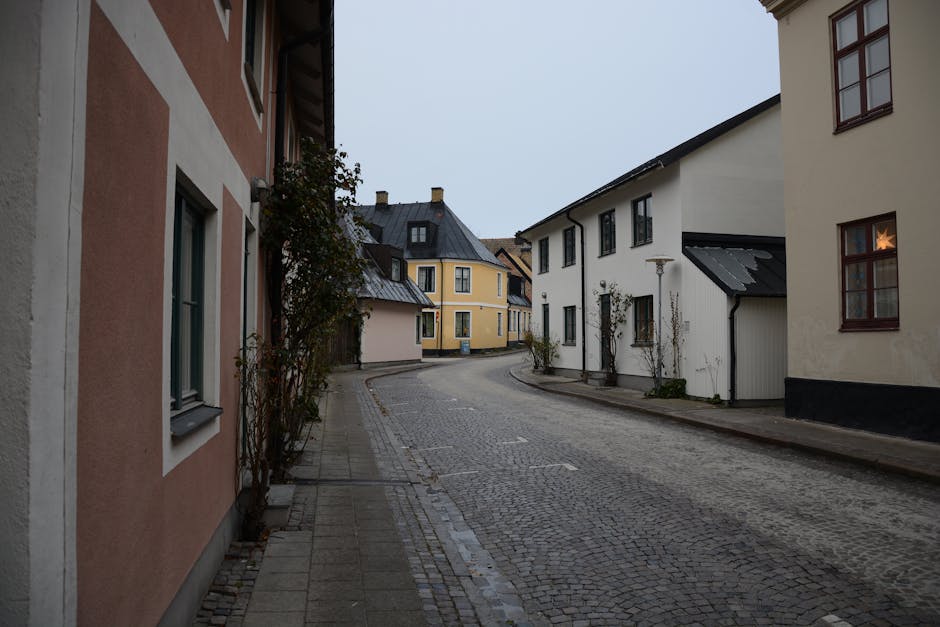
Residents know who to contact, what is being prioritized, and how association decisions connect to daily living conditions.
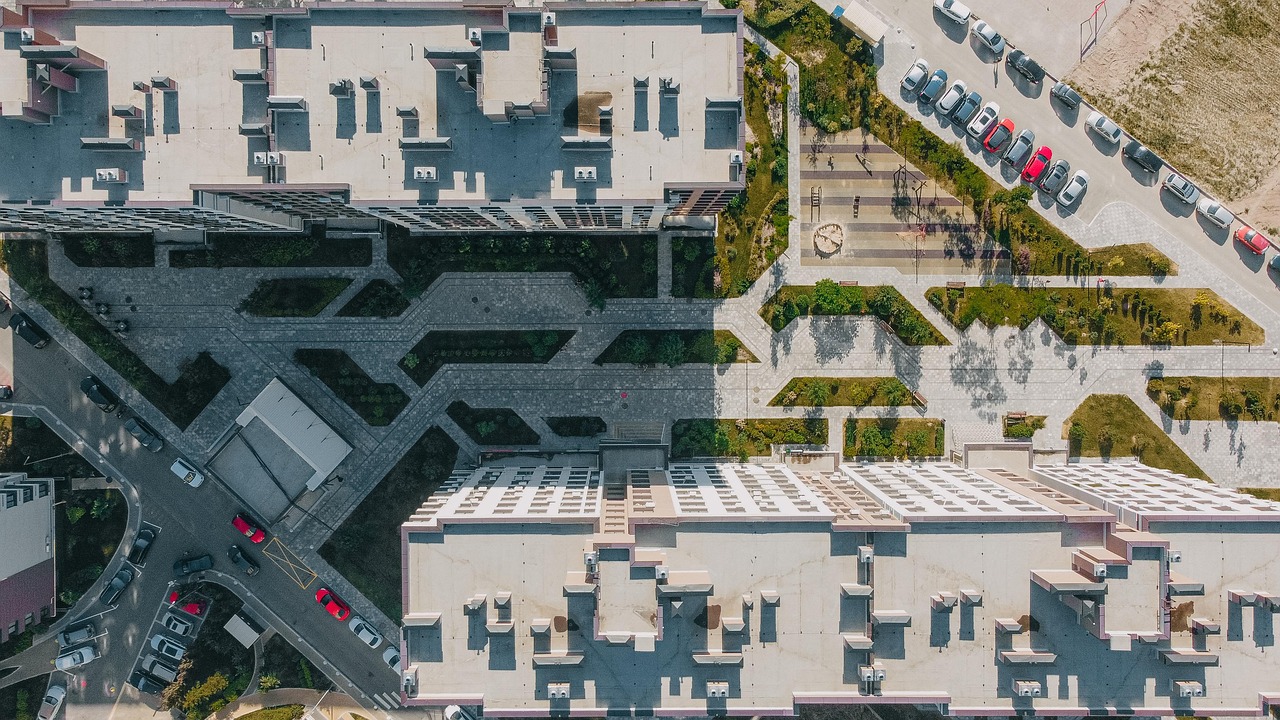
Common spaces are treated as collective assets, making them more inviting for meetings, informal conversation, and seasonal gatherings.